
In today’s highly competitive fashion and accessory market, protecting your brand identity is no longer optional — it’s essential. From hair clips and buttons to zippers and ribbons, small accessories play a big role in how customers recognize and trust a brand. Unfortunately, without proper legal protection, anyone can copy your designs, packaging, or even your brand name. That’s why Trademark Class 26 exists — to secure the unique identity of businesses dealing in decorative and fastening materials.
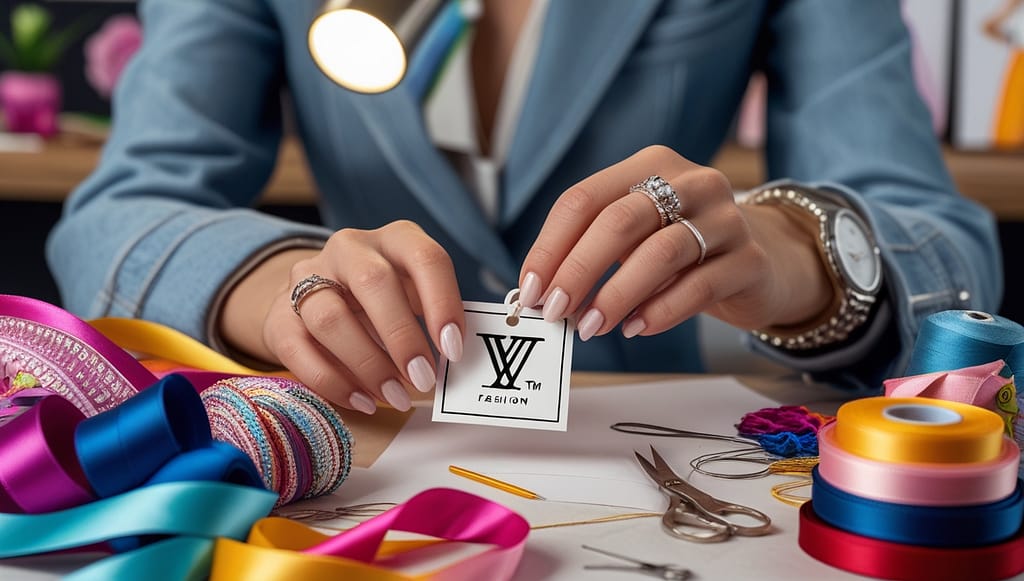
In this article, we’ll explore what Class 26 covers, why it matters, and how leading global brands use it to maintain their exclusivity. We’ll also explain how you can register your own Class 26 trademark to protect your growing accessory business.
What Is Trademark Class 26?
Trademark Class 26 is one of the 45 international classes established under the Nice Classification system. It covers products primarily used for decoration, fastening, or embellishment in clothing, fashion, and textiles.
Products Covered Under Class 26 Include:
- Hair accessories (clips, pins, bows, bands)
- Buttons, hooks, fasteners, and zippers
- Ribbons, lace, and embroidery
- Artificial flowers and fruits
- Sewing accessories like needles, appliqués, and snap buttons
If your business manufactures or sells decorative items or accessories that enhance garments or other fashion products, Class 26 is the right trademark category for your brand.
Why Trademark Protection in Class 26 Matters
In the accessory market, products are often visually similar, and customers rely heavily on branding to identify quality. This makes trademark protection vital.
When you register a trademark in Class 26, you gain:
✅ Exclusive rights to use your brand name and logo for the listed goods
✅ Legal protection against competitors using similar marks
✅ Authenticity and trust, especially on e-commerce platforms
✅ A strong business asset that adds long-term value
Without proper trademark protection, a competitor could use a confusingly similar brand name or packaging — misleading customers and damaging your reputation.
Real-World Trademark Class 26 Examples
To understand how essential Class 26 protection is, let’s look at how top accessory brands have secured their market positions with well-planned trademark strategies.
1. Swarovski – Protecting Crystals and Embellishments
Swarovski is a global leader in premium crystals used in jewelry, apparel, and decorative accessories. Their shimmering embellishments fall directly under Class 26, and the company has registered multiple trademarks worldwide for its brand name and distinctive swan logo.
Why It Matters: These registrations prevent counterfeiters from selling imitation crystals under similar names, ensuring Swarovski retains its luxury image.
2. YKK – Securing Fastener Excellence
YKK (Yoshida Kogyo Kabushikikaisha) is the world’s most trusted zipper and fastening manufacturer. Their name and logo are registered under Trademark Class 26 for zippers, buttons, and fastening components.
Why It Matters: With millions of zippers produced daily, YKK’s trademark ensures only authentic YKK-branded fasteners can be sold — maintaining their strong reputation for quality and reliability.
3. Claire’s – Hair Accessories and Jewelry
Claire’s, a popular global retail chain known for stylish hair accessories and jewelry, uses Class 26 trademarks to protect its designs and product branding. The brand has registered marks for its name and logo in various categories, including hair clips, pins, and bows.
Why It Matters: Trademark protection helps Claire’s avoid copycats that could sell low-quality accessories under deceptively similar names — preserving customer trust.
4. Goody – Everyday Hair Essentials
Goody, known for its durable and fashionable hair ties, elastics, and brushes, protects its logo and brand name under Class 26. This gives the company exclusive rights over its brand identity in the hair-accessory market.
Why It Matters: Goody’s protection prevents unfair competition and ensures customers associate its name only with genuine, high-quality products.
5. H&M – Buttons, Ribbons, and Embroidery Designs
Even major apparel brands like H&M register trademarks under Class 26 to protect their exclusive embellishments and accessories. The brand ensures that everything from its decorative appliqués to signature ribbons carries proper trademark coverage.
Why It Matters: It prevents suppliers or counterfeit producers from using H&M-inspired embellishments for other clothing products.
6. Shiseido – Decorative Hair Clips
Cosmetic giant Shiseido also registers under Class 26 for its range of beauty accessories such as decorative hair clips and pins sold alongside its haircare products.
Why It Matters: This extends its brand protection beyond cosmetics into fashion accessories, helping Shiseido maintain a consistent brand image.
How These Brands Use Trademark Strategy Effectively
Leading brands do more than register just their name — they adopt a multi-layered trademark approach, including:
- Registering logos, sub-brands, and product lines under the right classes
- Protecting packaging design and decorative elements
- Expanding protection to international markets through the Madrid Protocol
This approach ensures complete protection from local counterfeits and global imitation risks.
Step-by-Step: How to Register a Trademark in Class 26 (India)
If your business deals in accessories or decorative items, follow these steps to register your brand under Trademark Class 26 in India:
Step 1: Trademark Search
Visit the IP India Trademark Search Portal and look for similar marks in Class 26. This helps you avoid conflicts and rejection later.
Step 2: Application Filing
File your application using Form TM-A on the IP India website. You’ll need to specify your goods under Class 26 and submit a clear logo (if applicable).
Step 3: Examination
The Trademark Office examines your application for errors, clarity, and conflicts with existing marks.
Step 4: Publication in Journal
Once accepted, your trademark is published in the Trademark Journal for public opposition. If no one objects within four months, your mark moves to the final stage.
Step 5: Registration Certificate
After approval, you’ll receive a registration certificate — officially granting you exclusive rights to your brand in Class 26.
Tips for Small Accessory Brands
Even small or emerging brands should take trademark protection seriously. Whether you sell handmade ribbons, eco-friendly hair accessories, or artificial flowers online, a trademark can help you:
- Build brand credibility on platforms like Amazon or Etsy
- Prevent unauthorized resellers from copying your name
- Expand confidently into new product categories
Example: A brand like “PetalCraft” selling handmade floral decorations should file under Class 26 to prevent others from using a similar name for decorative goods.
The Future of Class 26 Trademarks: Sustainability and Innovation
The accessory market is evolving rapidly, with growing demand for eco-friendly materials and sustainable fashion items. Many brands now specialize in biodegradable hair clips, recycled ribbons, and organic decorative materials.
As this trend grows, the importance of Class 26 trademarks will increase — helping these new-age brands distinguish genuine sustainable products from misleading claims or fake “eco” brands.
Frequently Asked Questions (FAQs)
1. What products fall under Trademark Class 26?
Products like buttons, zippers, lace, ribbons, artificial flowers, and hair accessories are covered under Class 26.
2. Can I register my logo and brand name together in Class 26?
Yes. You can apply for both a word mark (brand name) and a device mark (logo) in the same class.
3. How long does a Class 26 trademark last in India?
Once registered, a trademark is valid for 10 years and can be renewed indefinitely.
4. What happens if my business expands into other product types?
If your business expands into products under another class (like Class 25 for clothing), you’ll need separate registrations for those classes.
5. Do online accessory sellers need a trademark?
Absolutely. E-commerce platforms often require proof of trademark ownership to remove counterfeit listings or unauthorized sellers.
Conclusion
Trademark Class 26 plays a crucial role in protecting brands that deal in accessories and decorative products. From Swarovski’s crystals to YKK’s zippers and Claire’s hair clips, every leading brand secures its identity through strategic trademark registration.
Whether you run a large manufacturing company or a small boutique brand, registering under Class 26 helps safeguard your designs,